Investigating the Timeframe of Time Roots Take to Fully Decompose After Trimming
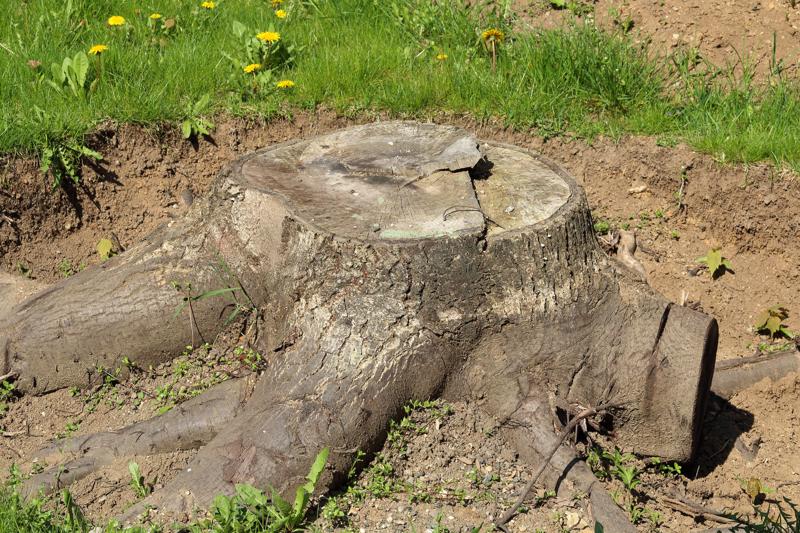
The roots of trees play an essential role to provide support and nourishment to trees However, is there a problem when a tree is removed? How long does it take until the tree’s roots begin to decay in the soil, and what impact does this impact the surrounding area? In this article, we’ll look at the root decay process and address the most frequently asked questions concerning the roots of trees.
Understanding Tree Root Decay
Tree roots may take a long time to decay, based on a variety of aspects like how big the root, the type of tree, and the surrounding conditions. The process of root decay is initiated immediately after a plant is fell or cut down, and is caused by a mix of variables like temperature, moisture and the presence of decomposers such as fungi and bacteria.
Factors that affect root decay
Size of the roots: Larger roots take longer to decay as compared to small ones.Type of trees: Some species of trees have tougher sturdy roots that take longer to degrade than other species.
The environmental conditions mean that roots will decay faster in warm, moist environments compared to cooler, drier ones.
The Effects of Tree Root Decay
If tree roots begin to decay, they release nutrients back into the soil. This could be beneficial to other plants in the area. However, the decaying of roots could also cause problems for landscaping and structures around them. For example, decaying roots may cause settling or shifting of driveways, sidewalks and other hardscaping elements.
Delay Prevention
To avoid problems from decaying roots, it’s important to remove dead or damaged trees off your property as fast as possible. In some cases, it may also be necessary to remove the roots in order to avoid settlement or shifting of structures nearby. If you’re unsure about how to proceed, consider calling an expert tree removal service like The Hills Tree Pruning for help.
Frequently Asked Questions
How long will it take for tree roots to rot in the ground?
The{ length of|| amount of} time required for tree roots to rot in the ground can vary depending on several factors such as their size, root as well as the type of tree, as well as the environmental conditions. On average, it can take several years for tree roots to fully decay.
How do you deal with the nutrients that are in the soil after tree roots decay?
As tree roots decay, they release nutrients back to the soil, which can be beneficial for other plants in the area.
Can decaying tree roots cause problems for nearby structures?
Yes, the decaying roots of trees may cause settling or shifting of sidewalks, driveways, and other landscaping features. To avoid problems like this, it’s important to remove any dead or sickly trees from your property as soon as you can.
Conclusion
In the end, it is important to note that tree roots can take several years to fully rot in the ground, and the process of decay could be both positive and negative impacts on the area around it. If you’re concerned about decaying tree roots or need help with tree removal, consider calling a professional tree removal service such as The Hills Tree Pruning. Our team of highly skilled and experienced arborists are equipped with the most modern tools and equipment to safely and efficiently remove branches and roots. Contact us now on 0480 024 203 for a free estimate in The Hills Shire.
Don’t put your property at risk or yourself by trying to take down a tree on your own. Leave the experts of The Hills Tree Pruning handle it for you. Our team of highly-trained and experienced arborists are equipped with the latest tools and equipment to effectively and safely remove roots and trees. Whether you need tree removal and tree trimming, tree pruning, or any other services related to trees, The Hills Tree Pruning is here to help. Don’t wait any longer, contact us today at 0480 024 203 for a free estimate in The Hills Shire. Rely on the experts from The Hills Tree Pruning to handle all the tree-related needs you have and to ensure the safety and appearance for your yard.